Looks like you’re on the US site. Choose another location to see content specific to your location


UC Riverside: Vape Vanillin May Disrupt Embryonic Cells
14th August 2026
Researchers at the University of California Riverside have shown that vanillin, a common flavouring chemical in e-cigarettes, may disrupt normal human embryonic stem cell development via activation of the TRPV4 ion channel. Published in Human Reproduction on 13 August 2026, the laboratory study offers a plausible mechanism linking vaping during pregnancy to fertility difficulties and miscarriage, and provides new evidence for regulatory bodies assessing e-cigarette flavour ingredient safety.
Main body
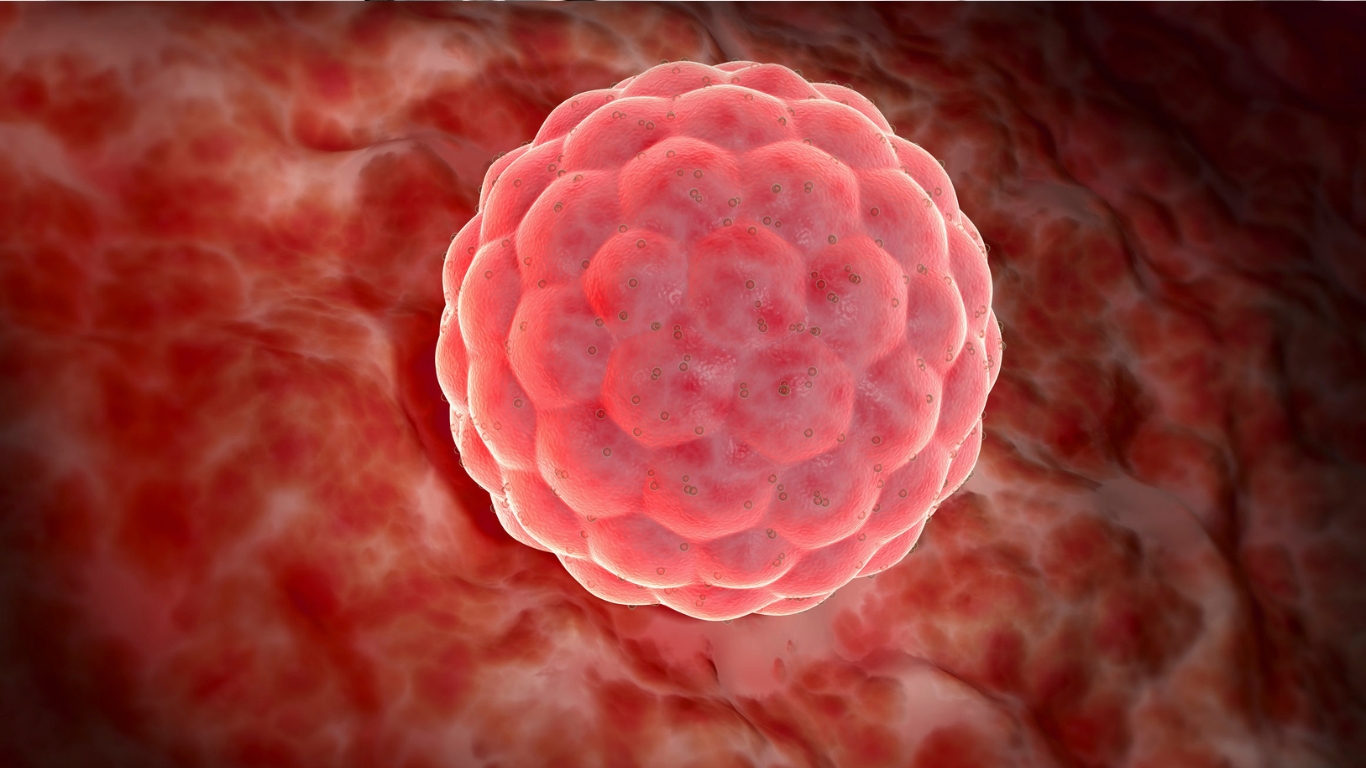
The team, led by Professor Prue Talbot and Dr Shabnam Etemadi, exposed human embryonic stem cells (similar to cells in three-week-old embryos) to different concentrations of vanillin, alongside a TRPV4 antagonist and TRPV4-blocking antibody. Micromolar concentrations killed the cells. Nanomolar concentrations, predicted to be reachable in pregnant women who vape, caused stem cells to lose pluripotency and to differentiate into endoderm rather than ectoderm or mesoderm. The effect was blocked by the TRPV4 antagonist, identifying TRPV4 as the route by which vanillin adversely affects the cells.
Under normal embryonic development, stem cells form three cell types: endoderm, ectoderm and mesoderm. Talbot noted that embryos lacking ectoderm would fail to develop a nervous system, and those lacking mesoderm would fail to develop muscle and other tissues. The researchers argued clinicians should advise women against vaping during pregnancy and called for regulatory agencies to consider mandatory e-cigarette ingredient disclosure and prenatal-stage sensitivity data. The team is also studying menthol and WS-23, a synthetic coolant, having previously linked menthol to respiratory disease.
Conclusion
The commercial signal is a strengthening evidence base for stricter e-cigarette regulation, particularly around ingredient disclosure and flavour safety data. As New Approach Methodologies (NAMs) using human stem cells gain regulatory acceptance, reproductive toxicology testing becomes a growth category. Expect increased scrutiny of Altria (JUUL), British American Tobacco (Vuse), Philip Morris International, Reynolds American and reproductive medicine specialists through late 2026 and 2027.
For the latest updates and in-depth insights into the world of Life Science, including breakthrough treatments, industry trends, and regulatory news, contact Adam Tiberius today!
Stay informed
Receive the latest industry news, Tips and straight to your inbox.
- Share Article
- Share on Twitter
- Share on Facebook
- Share on LinkedIn
- Copy link Copied to clipboard