Looks like you’re on the UK site. Choose another location to see content specific to your location


BDJ Reviews Tissue-Level Implants for Aesthetic Zone
26th October 2026
A new clinical article in the British Dental Journal has summarised the potential biological and mechanical advantages of tissue-level implants in the aesthetic zone, challenging the ongoing debate about their suitability for anterior restorations. Published on 9 October 2026 and highlighted by Dental Tribune International on 20 October, the paper provides placement guidance and reframes commercial positioning across the growing UK and global dental implantology market.
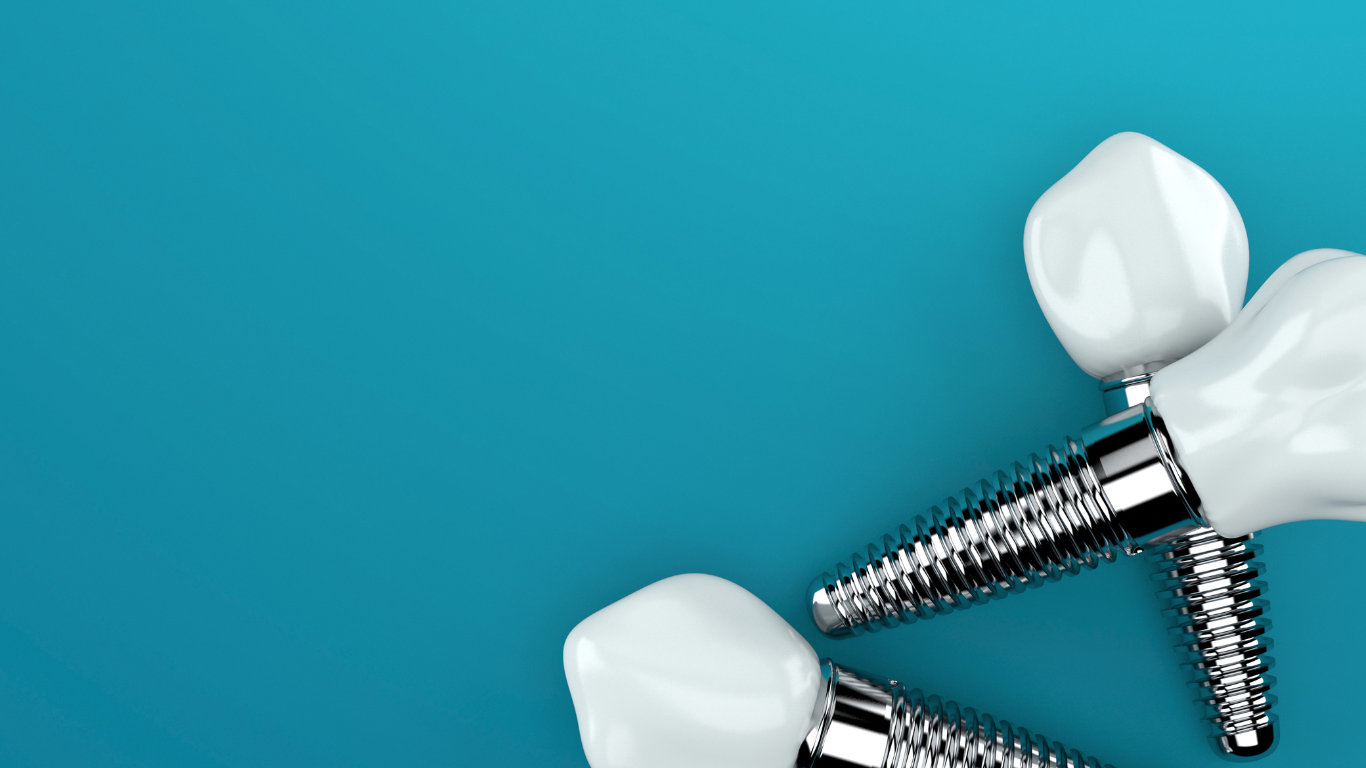
The authors highlight the vertical platform shift inherent in tissue-level implant design, where the transmucosal collar positions the implant-abutment connection coronal to the crestal bone, associated with reduced marginal bone loss and undisturbed soft-tissue attachment during subsequent prosthetic procedures. In designs with a divergent (outward-flaring) collar, the wider collar may reduce soft tissue pressure during guided bone regeneration, help prevent displacement of grafting material, support facial soft-tissue contour and reduce the need for soft-tissue grafting. Additional benefits include improved crown-to-implant ratio, mechanical protection at the implant-abutment connection, and a predetermined emergence angle that may help avoid wide restorative emergence angles associated with peri-implantitis.
The paper also addresses clinical use of tissue-level implants in the aesthetic zone, including pre-surgical planning, apico-coronal positioning, orientation of screw access holes and a modified drilling protocol for sites with a deficient facial bone wall. The clinical case for tissue-level designs sharpens competitive positioning across the global dental implant market dominated by Straumann Group (BLX, Roxolid, historical tissue-level leadership), Nobel Biocare (NobelActive, Nobel Replace), Dentsply Sirona (Astra Tech), Zimmer Biomet, Henry Schein (BioHorizons), MegaGen (BLUEDIAMOND), Osstem Implant, Keystone Dental and Southern Implants.
The commercial signal is a potentially shifting aesthetic zone implant preference where tissue-level designs are increasingly supported by biological and mechanical evidence against bone-level alternatives. Peri-implantitis prevention remains a key commercial differentiator. Expect Straumann Group, Nobel Biocare, Dentsply Sirona, Zimmer Biomet, Henry Schein (BioHorizons), MegaGen, Osstem Implant and Keystone Dental to sharpen their aesthetic zone implant positioning through 2027.
For the latest updates and in-depth insights into the world of Dentistry, including breakthrough treatments, industry trends, and regulatory news, contact Kiera Allen today!
We have hundreds of jobs available across the Healthcare industry, find your perfect one now.
Stay informed
Receive the latest industry news, Tips and straight to your inbox.
- Share Article
- Share on Twitter
- Share on Facebook
- Share on LinkedIn
- Copy link Copied to clipboard